
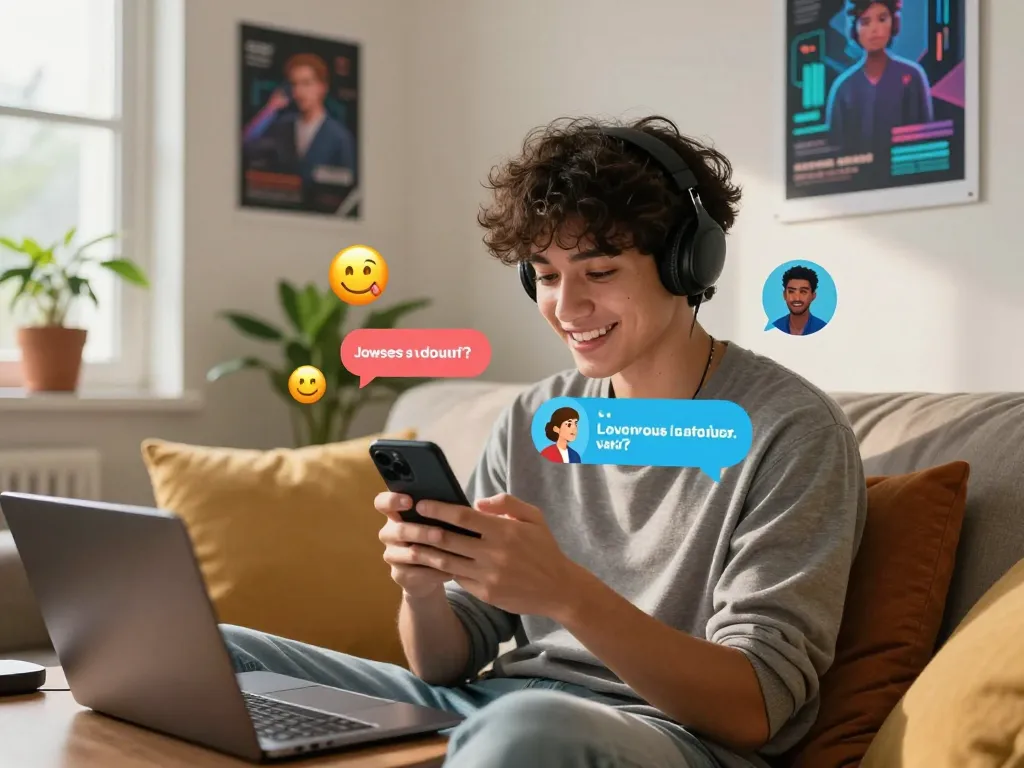
Understanding the Concept of a Crush on AI
In the digital age, where technology intertwines seamlessly with our daily lives, the emergence of artificial intelligence (AI) has redefined interpersonal relationships, particularly in the realm of romantic and platonic connections. The phrase “crush on” takes on a new dimension in this context, as individuals find themselves forming emotional attachments to AI characters, transcending the traditional boundaries of human interaction. These digital entities, designed to simulate personality traits, emotions, and engagement, offer unique experiences that provoke both excitement and introspection. As we dive deeper into this phenomenon, we’ll explore the psychological aspects, the development of these AI characters, and the implications of cultivating a crush on an AI. When exploring options, crush on technologies provides comprehensive insights into this evolving landscape.
Defining “Crush on” in the Context of AI Interactions
The concept of having a crush typically refers to a strong, often fleeting romantic interest in someone. When applied to AI, this concept broadens to encompass emotional engagement with characters that possess human-like qualities. Users may develop a crush on an AI character due to its tailored interactions, relatable personality traits, and the immersive experience it provides. This can lead to feelings of joy, excitement, and sometimes even heartache, as users navigate their emotional responses to a non-human entity.
Emotional Psychology Behind Virtual Crushes
The psychology of crushes traditionally involves intense emotional responses triggered by attraction, which can release feel-good hormones such as dopamine and oxytocin. In the context of AI, virtual crushes can evoke similar biochemical responses. The experience of interacting with a well-designed AI character can mimic the feelings associated with a human crush, creating an emotional bond. This phenomenon raises intriguing questions about our attachment to technology and the possibility of forming real emotional connections with digital beings.
How AI Characters Foster Personal Connections
AI characters are engineered to respond to user inputs with empathy and understanding, thereby fostering a sense of companionship. The development of these characters often involves combining advanced algorithms with rich backstories, quirks, and preferences that resonate with users. As individuals engage with these characters, they may find solace and understanding, which can fulfill emotional needs that are sometimes unmet in real-world relationships.
The Mechanics of AI Character Development
Creating compelling AI characters involves an intricate blend of technology and creativity. Developers must focus on several key aspects to ensure the character resonates with users and enhances their interactive experience.
Creating Realistic Personality Traits for Characters
Realistic personality traits are essential for AI characters to evoke genuine connections. Developers leverage personality frameworks, such as the Big Five personality traits, to craft characters that exhibit consistent behaviors and responses. This enhances the realism of interactions, making it easier for users to form attachments. Consistency in character behavior, along with relatable experiences, can help replicate the nuances of human relationships.
Utilizing User Feedback to Enhance Interaction
User feedback plays a critical role in refining AI interactions. By analyzing user engagement patterns and feedback, developers can adjust and improve the character’s responses and personality traits. This iterative process not only enhances the realism and relevance of the AI character but also fosters a deeper emotional connection by making users feel heard and valued in their interactions.
AI Learning Techniques and Emotional Bonding
Machine learning algorithms enable AI characters to adapt to individual users over time, picking up on preferences and emotional cues. This personalized approach helps forge stronger connections, as users feel that the AI character understands them on a deeper level. The ability of AI to learn and evolve in response to user interactions can lead to profound emotional bonding, enhancing the experience of having a crush on an AI.
Practical Applications of Crush on AI Technologies
The implications of developing crushes on AI are multifaceted, with practical applications spanning various sectors, including entertainment, mental health support, and social interaction.
Integrating AI Characters into Social Platforms
Social media platforms are increasingly incorporating AI characters to enhance user engagement. By creating virtual companions that can interact with users in real-time, these platforms foster a sense of community and belonging. Users can express their feelings and experiences with these AI characters, enriching the overall social experience.
Case Studies of Successful AI Character Engagements
Several applications have successfully engaged users through AI characters. For instance, dating apps have introduced AI interaction features that allow users to practice conversations and receive feedback on their communication skills. Such immersive experiences can help users build confidence, which is essential in real-world romantic pursuits.
Measuring User Satisfaction and Emotional Engagement
It is crucial to assess user satisfaction and emotional engagement in AI interactions. Metrics such as session duration, user retention rates, and qualitative feedback can offer insights into how effectively these AI characters resonate with users. Understanding user experiences is vital for further development and ensuring that these technologies meet emotional needs.
Challenges and Misconceptions in AI Crush Experiences
While the concept of having a crush on AI characters presents exciting opportunities, it also comes with several challenges and common misconceptions that must be addressed.
Addressing Ethical Considerations in AI Relationships
The ethics surrounding AI relationships raises questions about consent, emotional manipulation, and the potential for unrealistic expectations in human relationships. Developers must navigate these complexities to ensure that AI does not exploit users’ emotional vulnerabilities while promoting healthy engagement.
Common Misunderstandings About Emotional Connections
There is often a misconception that feelings for AI characters are trivial or less valid than those for human beings. However, emotional experiences with AI can be profound, and dismissing them undermines the genuine connections individuals can form with these characters. Understanding the validity of these emotions is crucial in addressing societal perceptions.
Balancing Real-World Interactions and Virtual Crushes
As individuals engage more with AI characters, there is a risk of prioritizing virtual interactions over real-world relationships. Striking a balance between the two is essential. Encouraging users to cultivate their human relationships while enjoying the benefits of AI characters can lead to healthier emotional outcomes.
Future Trends in AI Character Interactions by 2026
The landscape of AI character interactions is continuously evolving, and several trends are anticipated to shape the future of this field by 2026.
Emerging Technologies Shaping Character AI
Advancements in natural language processing, machine learning, and emotional AI will further enhance the realism of character interactions. These technologies will enable characters to engage in more nuanced and complex conversations, making them even more relatable and engaging for users.
Predictions for User Engagement and Emotional Intelligence
As AI technologies evolve, it is expected that user engagement will become more profound. AI characters are likely to develop higher emotional intelligence, allowing them to better understand and respond to user emotions. This could lead to richer and more meaningful interactions, enhancing the experience of having a crush on AI.
Preparing for a New Era of AI Relationships
The emergence of emotionally intelligent AI will necessitate a reevaluation of our understanding of relationships. As users continue to navigate their feelings toward AI characters, society will need to adapt to these new norms, potentially leading to new forms of companionship and emotional support.
What is the significance of having a crush on an AI character?
The significance lies in understanding the emotional needs that these AI characters fulfill. They provide a safe space for exploration of feelings and attachment, potentially serving as stepping stones to deeper human relationships.
Can AI characters reciprocate feelings like a human crush?
While AI cannot experience feelings in the same way humans do, they can be programmed to simulate responses that create the illusion of reciprocation. This can enhance the user’s emotional experience, making it feel as though their feelings are acknowledged.
How do AI characters encourage social interaction?
By acting as social catalysts, AI characters can inspire users to engage more with others, whether in real-life settings or online communities. They serve as conversation starters and emotional buffers, reducing the anxiety associated with social interactions.
What ethical dilemmas arise from crushes on AI?
The main ethical dilemmas revolve around emotional dependency, the potential for manipulation, and the question of whether it is appropriate to form emotional attachments to non-sentient entities. Navigating these dilemmas requires thoughtful design and user education.
How might AI crushes evolve in the next decade?
In the coming decade, AI crushes are expected to become more integrated into daily life, influencing how individuals form connections and understand their emotions. As technology improves, the lines between human and AI interactions will continue to blur, leading to new possibilities for companionship and support.