
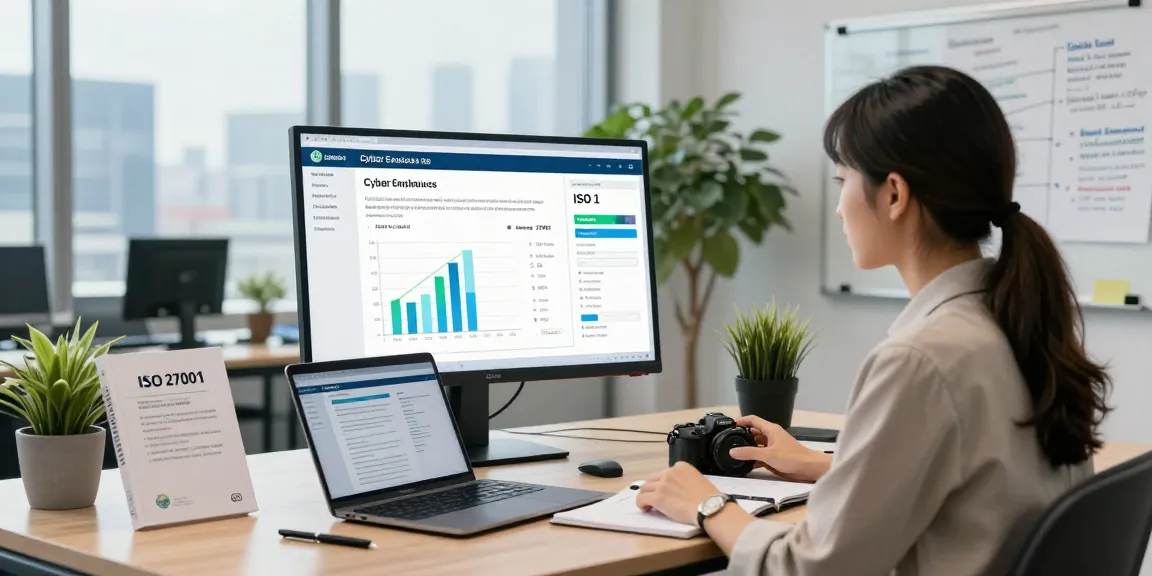
Understanding Cyber Essentials vs ISO 27001
In an increasingly digital landscape, the importance of robust cybersecurity measures cannot be overstated. Organizations across the UK are continuously seeking certifications that not only demonstrate their commitment to protecting sensitive information but also adhere to compliance requirements set forth by governing bodies. Two prominent certifications in this regard are Cyber Essentials and ISO 27001. While both aim to bolster an organization’s cybersecurity posture, they differ significantly in scope, implementation, and the level of security assurance provided. When exploring options, cyber essentials vs iso 27001 provides comprehensive insights that can help businesses make informed decisions.
What are Cyber Essentials and ISO 27001?
Cyber Essentials is a UK government-backed cybersecurity certification scheme designed to help organizations protect themselves against common cyber threats. It focuses on the implementation of basic security measures across five key control areas: secure configuration, user access control, malware protection, security update management, and firewalls. This certification is particularly aimed at small to medium-sized enterprises (SMEs) that require a straightforward and easily achievable standard.
On the other hand, ISO 27001 is an international standard for information security management systems (ISMS). It provides a comprehensive framework for managing sensitive company information, ensuring its confidentiality, integrity, and availability. ISO 27001 requires a more rigorous approach, demanding the establishment, implementation, maintenance, and continual improvement of an ISMS, which involves risk assessments and comprehensive documentation.
Key Differences Between Cyber Essentials and ISO 27001
- Scope: Cyber Essentials focuses on basic cybersecurity measures, whereas ISO 27001 encompasses a broader range of information security risks, including risk management and continuous improvement.
- Certification Process: Cyber Essentials can be achieved through a self-assessment, while ISO 27001 requires a thorough audit by an accredited certification body.
- Cost and Time: Cyber Essentials certification is generally quicker and more cost-effective to obtain, while ISO 27001 involves substantial resources and time investment.
- Compliance Necessities: Cyber Essentials is often a prerequisite for bidding on government contracts, while ISO 27001 is recognized globally, making it suitable for international operations.
Importance of Each Certification for Businesses
For businesses, choosing between Cyber Essentials and ISO 27001 often depends on their operational needs and customer expectations. Cyber Essentials serves as an entry-level certification, providing a solid foundation of cybersecurity practices that can instill confidence in clients and partners. It is particularly critical for SMEs looking to establish credibility without overwhelming resources.
ISO 27001, however, is essential for larger organizations or those that deal with sensitive data, as it demonstrates a commitment to a comprehensive information security management framework. Achieving this certification can enhance trust among stakeholders and provide a competitive edge in markets that prioritize security compliance.
The Five Technical Controls of Cyber Essentials
Overview of the Basic Controls
Cyber Essentials is built around five technical controls that are crucial for any organization looking to defend against common cyber threats. Understanding these controls is essential for achieving certification:
- Firewall: A properly configured boundary firewall on every internet-facing device to block unauthorized access.
- Secure Configuration: Ensuring that devices are securely configured to minimize vulnerabilities.
- User Access Control: Implementing least privilege access to sensitive data to limit exposure.
- Malware Protection: Keeping anti-malware software up to date to defend against threats.
- Security Update Management: Regularly applying updates to operating systems and applications to patch vulnerabilities.
How These Controls Align with ISO 27001 Standards
The five controls of Cyber Essentials align closely with several ISO 27001 requirements, particularly those related to the implementation of security controls, risk management, and the protection of assets. Organizations that are Cyber Essentials certified may find it easier to comply with the requirements of ISO 27001 since both emphasize the importance of securing information systems and managing access to sensitive information.
Continuous Compliance Strategies for Cyber Essentials
Continuous compliance is vital while maintaining Cyber Essentials certification. By integrating automated tools that monitor compliance, organizations can ensure that they remain compliant with the five controls year-round. Regular audits, employee training, and using compliance management software can also significantly enhance ongoing adherence to the standards.
Implementation Challenges
Common Misconceptions about Cyber Essentials
Many organizations mistakenly believe that Cyber Essentials is only beneficial for large enterprises. In reality, it is particularly suited for SMEs, offering a straightforward entry point into cybersecurity certification. Additionally, some view the certification as a one-off project, whereas it requires continuous compliance to maintain certification status.
Challenges in Achieving ISO 27001 Certification
Achieving ISO 27001 certification can often be daunting. Common challenges include the extensive documentation required, the need for a cultural shift toward continuous improvement in security practices, and the resource allocation necessary for effective risk assessment. Many organizations may also struggle with the initial costs and the time commitment needed to implement an effective ISMS.
Industry-Specific Considerations for Compliance
Different industries have varying levels of regulations and compliance requirements. For example, organizations within the finance and healthcare sectors often face stricter security regulations than those in less regulated industries. This disparity can affect the choice of certification, as businesses in regulated industries may need to prioritize ISO 27001 to meet compliance requirements.
Achieving Compliance: Step-by-Step Guide
How to Prepare for Cyber Essentials Certification
Preparing for Cyber Essentials certification involves several steps:
- Conduct a self-assessment against the five technical controls.
- Implement necessary changes to address any vulnerabilities discovered during the assessment.
- Gather the required documentation to demonstrate compliance.
- Submit the self-assessment for certification.
Steps to Attain ISO 27001 Certification
To achieve ISO 27001 certification, organizations should follow these steps:
- Define the scope of the ISMS and assess risks.
- Implement necessary security controls based on risk assessments.
- Create documentation that outlines policies and procedures.
- Conduct an internal audit to ensure compliance with the standard.
- Engage an accredited certification body for an external audit.
Post-Certification Maintenance and Renewal Processes
Both Cyber Essentials and ISO 27001 require ongoing maintenance after obtaining certification. Continuous monitoring, regular audits, management reviews, and updates to policies and procedures ensure that organizations remain compliant. Additionally, for ISO 27001, an annual surveillance audit is typically necessary to maintain certification.
Future Trends in Cybersecurity Standards
Emerging Developments for 2026 and Beyond
As cybersecurity threats evolve, so too will certifications like Cyber Essentials and ISO 27001. Emerging trends for 2026 include a stronger emphasis on cloud security practices, the integration of AI in threat detection, and more stringent regulations surrounding data privacy. Organizations will need to keep pace with these developments to maintain security and compliance.
Integration of Cyber Essentials and ISO 27001
In the future, the integration of Cyber Essentials and ISO 27001 may become more prevalent as organizations seek to establish comprehensive security frameworks. By aligning their practices with both certifications, businesses can create a robust cybersecurity posture that not only meets basic requirements but exceeds industry standards.
Innovative Practices for Enhanced Cybersecurity
Organizations should consider adopting innovative practices such as using threat intelligence platforms, enhancing security awareness training for employees, and incorporating advanced technologies like machine learning to proactively manage risks and improve compliance.
Do I need Cyber Essentials if I have ISO 27001?
Many organizations benefit significantly from holding both certifications. While ISO 27001 encompasses all of the requirements of Cyber Essentials, obtaining Cyber Essentials can demonstrate a commitment to cybersecurity fundamentals that is often essential for working with government contracts in the UK.
What are the main benefits of Cyber Essentials certification?
Cyber Essentials certification offers numerous benefits including enhanced cybersecurity posture, improved client trust, and increased eligibility for government contracts. Furthermore, it often lowers the risk of cyber incidents, saving businesses potential costs associated with breaches.
How to choose between Cyber Essentials and ISO 27001?
Choosing between Cyber Essentials and ISO 27001 depends on the organization’s size, industry, and specific cybersecurity needs. For smaller businesses, Cyber Essentials may be sufficient to demonstrate competence in basic cybersecurity measures, while larger organizations may need the comprehensive framework of ISO 27001.
What is the future of cybersecurity compliance?
The future of cybersecurity compliance will likely see a shift towards more dynamic and adaptive standards that can respond quickly to emerging threats. Organizations will need to embrace continuous improvement, invest in advanced technologies, and foster a culture of security awareness throughout the organization.
Can small businesses benefit from these certifications?
Definitely, small businesses stand to benefit greatly from both Cyber Essentials and ISO 27001 certifications. These certifications not only help them protect their data but also enhance their credibility in the eyes of customers and partners, making it easier to compete in the marketplace.