
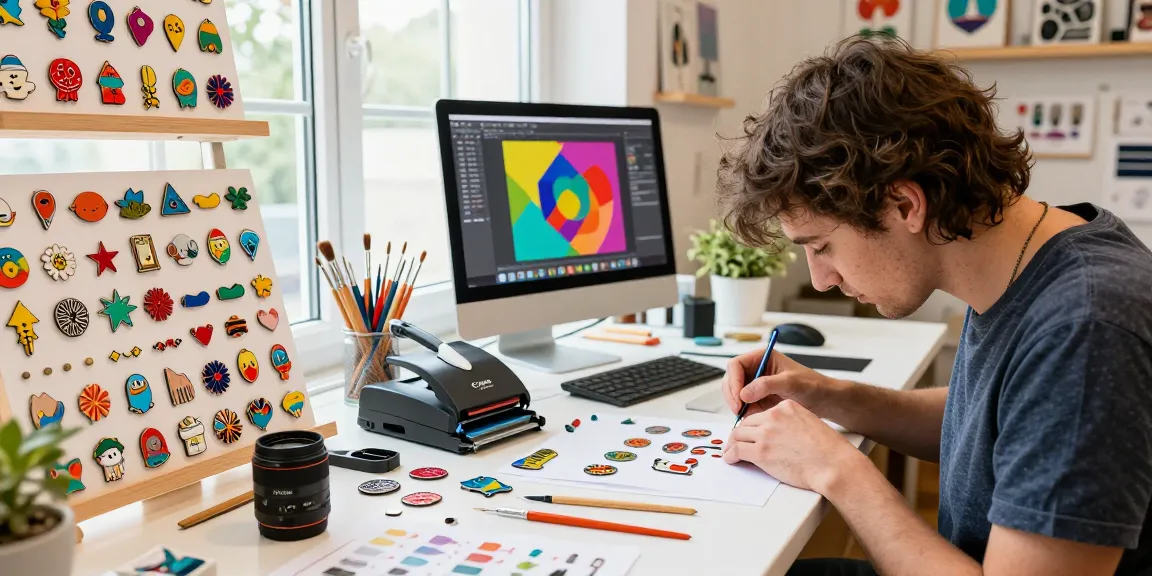
Understanding Custom Pins: A Comprehensive Guide
Custom pins have surged in popularity as versatile promotional items and collectibles that cater to various audiences and interests. Whether utilized as gifts, marketing tools, or fashion statements, these pins serve not just a decorative purpose but also encapsulate significant meanings and memories. In this guide, we will explore what custom pins are, the different types available, their uses, and the benefits they provide to individuals and organizations alike. When exploring options, custom pins offer a plethora of designs and personalization features to meet unique needs and preferences.
What Are Custom Pins?
Custom pins are personalized badges or insignias made from various materials such as metal, enamel, soft rubber, or acrylic, crafted to display specific designs, logos, text, or images. They can be used for promotional activities, branding, events, or as collectibles. The creativity behind custom pins enables organizations and individuals to communicate messages effectively and add a unique touch to their strategies.
Different Types of Custom Pins Available
Custom pins come in various forms, each serving distinct purposes:
- Enamel Pins: Popular in fashion, made from metal with a colored enamel finish.
- Button Pins: Lightweight and often come with a safety pin back, ideal for campaigns or events.
- Acrylic Pins: Made from acrylic sheets, allowing for vibrant designs and shapes.
- Soft Enamel Pins: Feature raised edges and colored enamel, giving a textured finish.
- Hard Enamel Pins: Smooth and polished, these pins have a more premium look.
- Custom Metal Pins: Durable options great for corporate branding and durability.
Key Uses and Benefits of Custom Pins
Custom pins serve a multitude of purposes and provide various benefits, such as:
- Brand Promotion: Used to enhance brand visibility at events, trade shows, and in professional settings.
- Commemorative Items: Perfect for celebrating achievements, milestones, or memorial events.
- Collectibles: Many individuals enjoy collecting custom pins, making them valuable items over time.
- Fundraising Tools: Nonprofits and charities often use custom pins to generate funds and awareness for their causes.
- Fashion Statements: Custom pins can be used as unique fashion accessories that reflect personal style.
Designing Engaging Custom Pins
Creating effective designs for custom pins requires thoughtful consideration of various design principles and tools:
Essential Design Principles for Custom Pins
The most successful custom pin designs follow these key principles:
- Simplicity: A clean and simple design is often more impactful and easier to recognize.
- Color Contrast: Using contrasting colors enhances visibility and makes the design pop.
- Branding Elements: Incorporating logos or brand colors reinforces brand identity.
- Text Clarity: Ensure that any text is legible and fits well within the pin’s dimensions.
Tools and Software for Creating Custom Pin Designs
Several software tools are available for designing custom pins, such as:
- Adobe Illustrator: Ideal for creating vector graphics and illustrations.
- Canva: User-friendly interface, perfect for beginners looking to create simple designs.
- CorelDRAW: Another vector graphic design software suited for professional-grade designs.
Incorporating Branding into Custom Pins
Integrating branding elements such as logos and color schemes into custom pin designs helps to reinforce brand identity. It is crucial for businesses to ensure that their custom pins convey the desired message and align with their overall branding strategy.
Production and Material Choices
Choosing the right materials and understanding the production process are key factors when creating custom pins:
Materials Used in Custom Pin Manufacturing
Some commonly used materials include:
- Metal: Durable and ideal for high-quality pins.
- Enamel: Provides a glossy finish while allowing for intricate designs.
- Acrylic: Lightweight and versatile for colorful designs.
Understanding Production Processes for Custom Pins
The production of custom pins typically involves these steps:
- Design Approval: Finalizing designs with customers before moving to production.
- Material Selection: Choosing the right materials based on the design and intended use.
- Manufacturing: Using processes such as die-striking, casting, or printing to create the pins.
- Finishing: Adding any additional details such as coating or polishing.
Balancing Cost and Quality in Custom Pin Production
When ordering custom pins, it’s essential to balance cost and quality. Lower prices often come at the expense of durability and design integrity. It’s advisable to compare different suppliers while considering factors like reviews, previous work, and material quality.
Marketing Your Custom Pins Effectively
To maximize the value of custom pins, effective marketing strategies are crucial:
Strategies to Promote Your Custom Pins Online
Utilizing various online platforms can significantly enhance the reach of your custom pin products. Consider the following:
- SEO Optimization: Optimize product pages and content for search engines to increase visibility.
- Influencer Partnerships: Collaborate with influencers in your niche to reach broader audiences.
- Paid Advertising: Use pay-per-click (PPC) advertising to target specific customer demographics.
Using Social Media to Showcase Custom Pin Designs
Social media platforms such as Instagram, Pinterest, and Facebook are excellent for visual marketing. Regularly posting high-quality images of custom pins, behind-the-scenes production processes, and user-generated content can help build a community around your brand.
Building a Community Around Your Custom Pins
Engaging with customers through social media, having contests, or encouraging collectors to showcase their collections can foster loyalty and create a strong brand following.
Future Trends in Custom Pin Design and Production
The custom pin industry is evolving, and staying ahead of trends can provide a competitive edge:
Emerging Trends for Custom Pins in 2026
In the coming years, expect to see:
- Interactive Pins: Pins that incorporate QR codes or augmented reality features for enhanced user experiences.
- Minimalist Designs: Simpler pin designs focusing on essential shapes and colors gaining popularity.
- Personalized Options: Increased demand for customizations tailored to individual customers, such as names or achievements.
Sustainable Practices in Pin Manufacturing
As sustainability becomes a priority, more manufacturers are adopting eco-friendly practices, such as using recycled materials and reducing waste in the production process.
Leveraging Technology for Innovative Custom Pin Solutions
Advancements in technology allow for new production techniques and customization options, such as 3D printing and laser cutting, which can create highly detailed and unique pin designs.
How Custom Pins Enhance Brand Loyalty?
Custom pins can serve not only as marketing tools but also as tokens of appreciation, fostering a sense of belonging among customers. When clients feel connected to a brand, they are more likely to remain loyal, promoting your products to their networks.