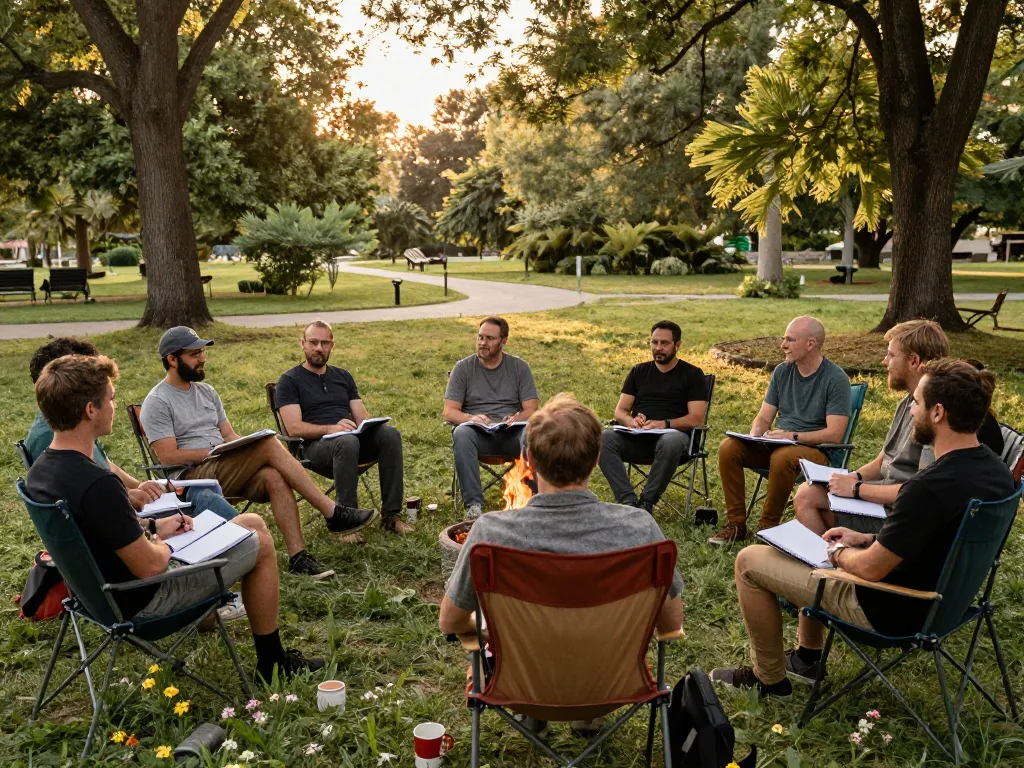
Understanding the Concept of a Man Club
In today's fast-paced world, the need for spaces dedicated to men's conversations and support has become ever more apparent. A man club offers an opportunity for men to gather, share experiences, and foster connections. These clubs can serve various purposes, from providing a safe haven for emotional support to being a hub for social activities. As societal norms continue to evolve, understanding the essence of a man club becomes crucial in promoting a sense of belonging among men.
What is a Man Club?
A man club is typically a gathering or organization where men come together to engage in discussions and activities centered around shared interests. These clubs can vary widely in focus, ranging from informal social gatherings to structured groups that aim to address specific issues, such as mental health, parenting, or professional development. The core idea is to create a supportive environment where men feel comfortable expressing themselves and cultivating friendships.
Historical Context and Evolution
The concept of men's clubs dates back centuries, with roots in various social movements and cultural phenomena. Historically, gentlemen's clubs emerged in the 18th and 19th centuries as exclusive spaces for affluent men to socialize and discuss political or social issues. Over time, these evolved into more inclusive environments that welcome men from diverse backgrounds. In recent years, the focus has shifted towards creating safe spaces for emotional expression and personal growth, reflecting the changing landscape of masculinity and mental health awareness.
The Importance of Male Spaces
The significance of dedicated male spaces cannot be overstated. Traditional norms often discourage men from openly discussing their feelings or seeking help. Man clubs provide essential support networks that challenge these stereotypes, offering environments where men can connect, share vulnerabilities, and find camaraderie. By fostering open dialogue, these clubs can help reduce stigma around mental health issues, ultimately promoting well-being and resilience among men.
Building a Community: Steps to Create Your Man Club
Establishing a successful man club involves thoughtful planning and a clear understanding of the needs and interests of potential members. Here are key steps to get you started:
Identifying Your Target Audience
Before launching your man club, it's crucial to identify your target audience. Consider factors such as age, interests, and social dynamics. Are you catering to young professionals, fathers, or older men seeking companionship? Understanding your audience will help tailor activities and discussions that resonate with them.
Setting Goals and Objectives for Your Club
Every man club should have clear goals. Determine what you hope to achieve, whether it's to foster friendships, offer support for mental health, or provide a platform for discussing parenting challenges. Establishing concrete objectives will guide your planning and help measure the club's success.
Choosing the Right Meeting Locations
Selecting a suitable venue is critical for the success of your club. Consider locations that provide comfort and accessibility, such as community centers, cafes, or even virtual meeting platforms. Ensure that the space is conducive to open discussions and group activities, fostering a sense of belonging among members.
Engagement Strategies for Effective Meetings
Creating engaging and productive meetings is vital for sustaining interest and participation in your man club. Here are some strategies to consider:
Creating a Safe Space for Open Discussion
Establishing ground rules that foster respect and confidentiality is essential in creating a safe environment. Encourage members to share their thoughts and experiences without fear of judgment. This can be reinforced by facilitating guided discussions where everyone has an opportunity to speak.
Incorporating Activities and Workshops
To keep meetings dynamic, incorporate a variety of activities. Consider hosting workshops on topics such as communication skills, stress management, or practical skills like cooking or home repair. These activities not only promote engagement but also encourage learning and personal development.
Utilizing Technology for Remote Connection
In today's digital age, incorporating technology can enhance participation. Virtual meetings can accommodate members who may not be able to attend in person. Utilize platforms that facilitate discussion and interaction, ensuring that your man club remains inclusive and accessible.
Promotion and Growth of Your Man Club
Effective promotion is key to attracting new members and sustaining interest in your man club. Consider the following strategies:
Effective Marketing Techniques to Attract New Members
Utilize social media, community bulletin boards, and local events to promote your club. Creating engaging content that resonates with your target audience, such as testimonials or event highlights, can help draw attention and encourage participation.
Building Partnerships with Local Organizations
Collaborating with local businesses and organizations can expand your reach. Partner with gyms, wellness centers, or mental health organizations to co-host events or workshops, providing additional value to your members and attracting new ones.
Using Social Media for Branding and Awareness
Social media platforms can be powerful tools for building your club's brand. Share updates, success stories, and event highlights to engage with your audience regularly. Consistent and authentic messaging will help establish a loyal community around your man club.
Addressing Challenges Within the Man Club
Despite the many benefits, running a man club may come with challenges. Here's how to effectively navigate potential issues:
Common Misconceptions about Man Clubs
Address misconceptions surrounding man clubs, such as the idea that they promote exclusivity or reinforce toxic masculinity. Educate members and potential participants about the club's mission to foster support, connection, and personal growth.
Handling Conflict and Difficult Conversations
Conflicts may arise in any group setting. Equip your members with conflict resolution skills and encourage open dialogue about misunderstandings. Establish procedures for resolving disputes to maintain a healthy group dynamic.
Evaluating Success and Areas for Improvement
Regularly assess the effectiveness of your club's activities and overall mission. Solicit feedback from members to identify strengths and areas for growth. By being open to change and improvement, your man club can continue to thrive and meet the evolving needs of its members.
What are the benefits of joining a man club?
Joining a man club offers numerous benefits, including emotional support, networking opportunities, and personal development. Members can find camaraderie with individuals who share similar experiences and challenges, fostering a sense of community.
How can I start my own man club?
Starting your own man club requires planning and dedication. Begin by identifying your goals, target audience, and meeting logistics. Promote your club through local channels and social media to attract interested members.
What activities are typically held in a man club?
Activities can range from discussions about personal growth and mental health to workshops on practical skills like cooking or fitness. Many clubs also host social events to enhance bonding among members.
Are man clubs exclusive to certain groups of men?
While some man clubs may focus on specific demographics, many aim for inclusivity, welcoming men from all walks of life. The key is to foster an environment where all participants feel valued and respected.
How can I maintain engagement in my man club?
To maintain engagement, regularly introduce new activities and topics to keep meetings fresh and interesting. Encourage members to suggest themes or activities, which can foster a sense of ownership and investment in the club.