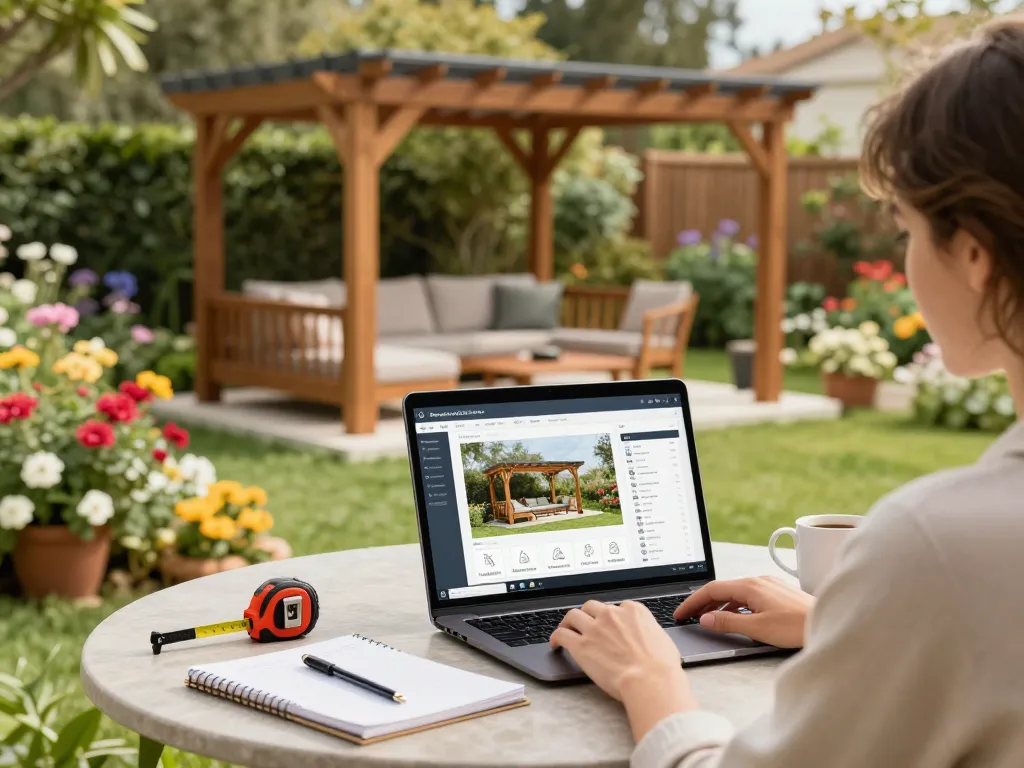
The Evolution of Pergola Configurator Software
The journey of pergola configurator software mirrors the broader evolution of design tools and technologies. Initially, designing a pergola involved manual drafting, which was both time-consuming and prone to human error. As architecture and landscaping began to embrace digital technologies, software solutions emerged to simplify these processes. Today, a robust pergola configurator software allows users to streamline their designs, providing a versatile platform for both businesses and DIY enthusiasts.
Understanding the Historical Context
Historically, pergolas were simple structures built to support climbing plants, offering shade and aesthetic appeal. The lack of sophisticated design tools limited creativity and customization. As technology advanced, software developers began creating tools that could mimic this physical building process on-screen, allowing for greater precision and creativity. The introduction of CAD (Computer-Aided Design) marked a significant turning point, enabling designers to explore dimensions and forms with unparalleled accuracy.
Key Features of Modern Software Solutions
Today’s pergola configurator solutions boast a variety of features designed to enhance user experience. Key functionalities often include:
- 3D Visualization: Users can view their designs in real time, enabling them to see how different elements fit together.
- Customization Options: Many tools allow for the selection of materials, colors, and additional features, catering to diverse aesthetic preferences.
- Cost Estimation: Instant price calculations help users understand their budget while designing.
- Integration Capabilities: Modern configurators can often connect with other business systems for seamless workflow management.
Impact of Technology on Design Processes
The impact of technology on pergola design processes cannot be overstated. High-quality software solutions have reduced the time required to produce detailed designs while increasing accuracy significantly. The ability to simulate how a pergola will look in its intended environment—considering elements like sunlight, shadows, and surrounding landscaping—has transformed the way designers and customers interact with these products.
Top Benefits of Using Pergola Configurator Software
Deploying pergola configurator software in a business setting offers substantial advantages that can enhance operational efficiency and customer satisfaction.
Streamlining Design Workflow
One of the primary benefits of using configurator software is the ability to streamline workflow. By eliminating manual drafting processes, businesses can save time and reduce the likelihood of errors. This allows design teams to focus on creativity and innovation while ensuring that client specifications are met efficiently.
Enhanced Visualization Capabilities
Enhanced visualization is another significant advantage. With 3D modeling, clients can explore different design options and make informed decisions based on how the structure will look in their specific environment. This capability elevates the overall customer experience, as clients feel empowered to personalize their projects.
Improving Customer Engagement and Satisfaction
Customer engagement is crucial in today’s competitive market. Through the interactive nature of configurator software, clients are more involved in the design process. This level of engagement not only builds trust but also leads to higher customer satisfaction. By allowing clients to visualize and customize their pergolas, businesses can foster a collaborative environment that reflects client preferences and needs.
Choosing the Right Pergola Configurator Software for Your Needs
Selecting the most suitable pergola configurator software requires careful consideration of several factors to ensure it aligns with your business needs.
Assessing Essential Features for Your Business
When evaluating software options, assess what features are non-negotiable for your business. Consider functionalities such as:
- User Interface: A clean, intuitive interface makes it easier for both staff and clients to navigate the software.
- Compatibility: Ensure the software can integrate with your existing systems, such as inventory management and CRM tools.
- Support and Training: Reliable customer support and training resources are vital for smooth implementation.
Comparative Analysis of Leading Software Solutions
Conducting a comparative analysis of leading pergola configurator software allows businesses to make informed purchasing decisions. Options like Simpson Strong-Tie, MyConfigurator, and i3D Configurator all offer unique features that cater to different market segments. Understanding the strengths and weaknesses of these offerings can help align specific business needs with the right software solution.
Tips for Implementation and Integration
Successfully implementing a configurator involves several steps:
- Define Your Needs: Clearly outline what you hope to achieve with the software.
- Train Your Team: Ensure your team is well-trained to use the software effectively to maximize its potential.
- Collect Feedback: Encourage user feedback to continually refine processes and adapt to changing market dynamics.
Common Challenges Faced by Users
Despite the advantages of pergola configurator software, users often encounter challenges that can impede their experience.
Understanding User Pain Points
Common pain points include steep learning curves associated with new software. Users may initially struggle to understand all functionalities and how to utilize them effectively. Providing comprehensive training and continuous support can alleviate these concerns.
Overcoming Technical Obstacles
Technical challenges such as software glitches or integration issues can arise during implementation. It’s crucial to have a dedicated IT team or partner available to troubleshoot problems efficiently, minimizing downtime.
Managing Design Expectations
Another challenge is managing client expectations. Users may expect the software to deliver perfect designs with minimal input. Open communication about what is feasible with the software and how the design process works can help set realistic expectations.
The Future of Pergola Design Software
The landscape of pergola design software is continuously evolving, driven by advancements in technology and changing consumer preferences.
Innovative Trends to Watch for in 2026
As we approach 2026, innovative trends such as virtual and augmented reality (VR/AR) are expected to change the way customers engage with design tools. Imagine clients being able to walk through a virtual model of their proposed pergola before construction even begins.
Predictions for User Experience Advancements
User experience will continue to be a focal point in software development. Expect to see more personalized interfaces and increased interactivity, making it easier for clients to customize their projects.
How AI is Shaping the Future of Design Tools
Artificial Intelligence (AI) is poised to play a significant role in enhancing the capabilities of configurator software. By leveraging AI, software can provide intelligent design suggestions, automate certain processes, and even predict client preferences based on previous interactions.