
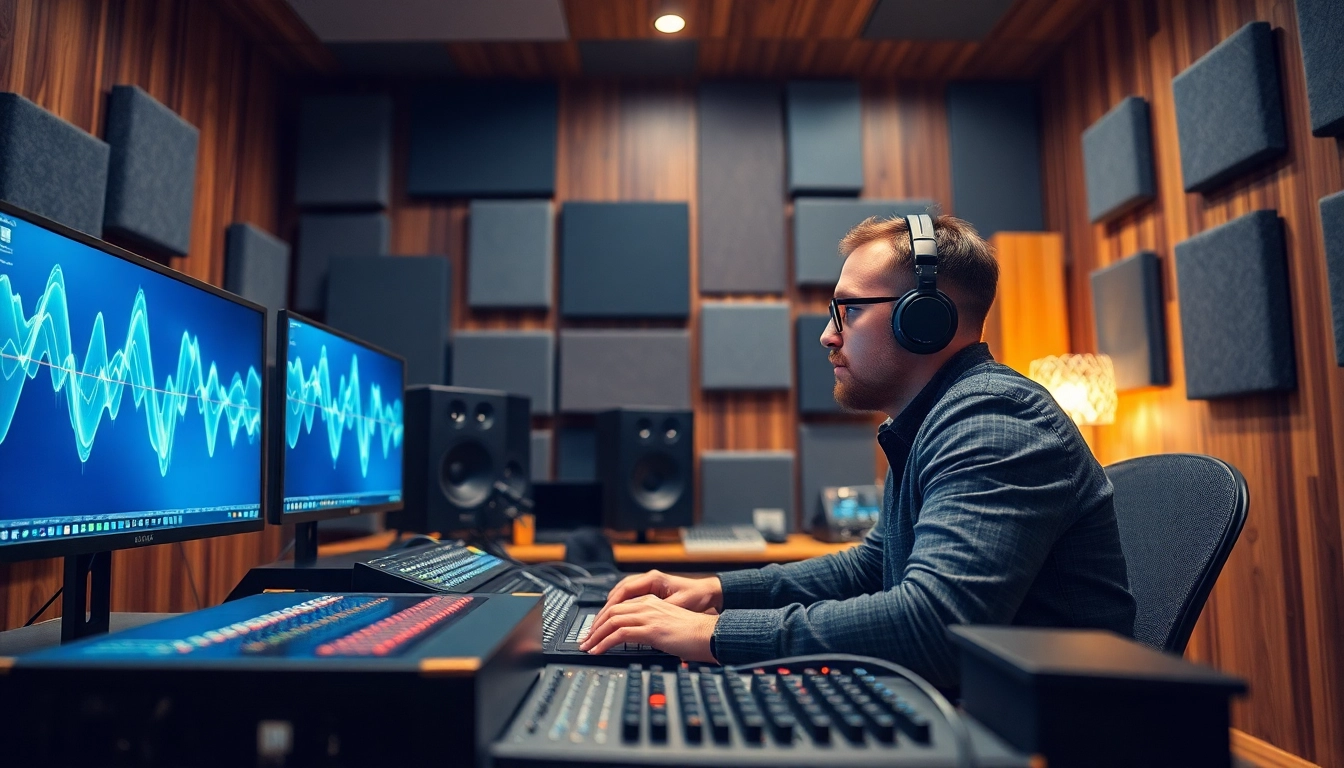
Understanding Online Audio Mastering
In today’s digital music landscape, achieving high sound quality is paramount for artists and producers alike. One essential process that plays a critical role in enhancing audio quality is online audio mastering. This article explores the intricacies of online audio mastering, its importance, and best practices to ensure your music reaches its full potential.
What is Online Audio Mastering?
Online audio mastering is the final step in the music production process, where the finished mix is optimized for playback across various platforms and formats. This involves a series of technical processes aimed at ensuring that the audio sounds cohesive, polished, and clear. Unlike traditional mastering, which requires physical presence and extensive equipment, online audio mastering allows artists and producers to send their mixes to professional mastering engineers remotely, making the service accessible and convenient for many.
Importance of Mastering in Music Production
Mastering is crucial to music production as it bridges the gap between mixing and distribution. It ensures that tracks sound their best, regardless of the playback system. Proper mastering can enhance loudness without sacrificing dynamic range, add presence to vocals, and synchronize all tracks on an album to sound cohesive. Moreover, a well-mastered track can significantly impact listener engagement, streaming statistics, and, ultimately, an artist’s success.
How Online Audio Mastering Works
The process of online audio mastering typically involves several key steps. First, the audio files are uploaded to the mastering platform, where a mastering engineer evaluates the material. They will then make adjustments to various elements such as dynamics, EQ, and stereo imaging. After processing, a preview is often provided for feedback. Once the final revisions are approved, the master files are delivered in the required formats for distribution. This method not only ensures quality but also allows for collaboration and communication throughout the mastering process.
Key Elements of Audio Mastering
Dynamic Range and Loudness
Dynamic range refers to the difference between the quietest and loudest parts of a track. During mastering, it’s essential to manage this range effectively to prevent distortion while maximizing loudness. A good balance allows the track to maintain its energy and emotional impact. Techniques like multiband compression and limiting can be employed to achieve an optimal loudness level without compromising the natural dynamics of the music.
Equalization Techniques
Equalization (EQ) is a critical component of mastering. By adjusting the frequency content of a track, mastering engineers can enhance clarity and balance. This can include boosting frequencies that need more presence or cutting problematic frequencies that may cause muddiness. Skilled use of EQ can help a track stand out in the mix while ensuring it translates well across different playback systems.
Use of Compression and Limiting
Compression is essential in mastering to control peaks and maintain consistent levels. It can shape the sound, make it punchier, and improve clarity. Limiting, on the other hand, is used to prevent distortion by capping the volume at a specified level. Together, these tools help achieve an impactful sound that aligns with industry standards. The challenge lies in applying these techniques judiciously so that the music retains its intended emotion and authenticity.
Choosing the Right Online Audio Mastering Service
Evaluating Service Providers
When selecting an online audio mastering service, it’s important to evaluate several factors. Look for providers with a robust portfolio that showcases their work and expertise in different genres. Additionally, consider the qualifications and experience of their mastering engineers, focusing on their understanding of current industry practices and trends. Transparent communication and customer service can also signify a reputable provider.
Pricing and Package Options
Pricing for online audio mastering can vary significantly based on the provider, the level of service, and the project’s complexity. Some services offer tiered package options that include additional revisions or mastering formats. It’s vital to choose a service that fits your budget while still delivering quality results. Understanding what each package entails helps prevent surprises and ensures you receive value for your investment.
Client Reviews and Feedback
Client testimonials and feedback are invaluable when choosing an online audio mastering service. They can provide insight into the experiences of former clients regarding sound quality, professionalism, and turnaround times. Look for detailed reviews that describe specific aspects of the service, as this will provide a clearer picture of what to expect.
Best Practices for Preparing Audio for Online Mastering
File Formats and Specifications
Preparing your audio files correctly is essential for a successful online mastering experience. Most mastering services accept high-quality formats such as WAV or AIFF with a sample rate of at least 24-bit and 48 kHz. Avoid using compressed formats like MP3 for uploading, as these reduce audio quality and can lead to subpar results in the mastering phase.
Track Organization and Quality Control
Organizing your tracks prior to mastering can streamline the process. Ensure all files are clearly labeled and grouped logically. It’s also crucial to perform a final quality check on your mixes against industry standards, ensuring they meet the appropriate loudness and dynamic range. This pre-mastering process can save time and reduce revisions required at the mastering stage.
Tips for Sending Your Mixes
When sending your mixes to a mastering engineer, accompany your files with a clear reference for desired sound. Including a note that outlines any specific features to focus on or areas of concern can help the mastering engineer deliver a product that aligns with your vision. Avoid sending more than one version of a track to reduce confusion and streamline the process.
Measuring Success in Online Audio Mastering
Listening Tests and Critical Feedback
Listening tests are crucial after the mastering process. Solicit feedback from trusted individuals in the music industry regarding the clarity, loudness, and overall feel of your track. Pay attention to both subjective opinions and objective critiques, as both can provide valuable insights that might influence future projects.
Using Analytics to Track Listening Experience
Utilizing analytics tools post-release can reveal how listeners are engaging with your track. Platforms like Spotify and Apple Music often provide data on listener habits and demographics. Analyzing this data can help assess the effectiveness of your mastering in appealing to your target audience and where improvements may be necessary in future releases.
Continuous Improvement Based on Metrics
Building on analytics and feedback can lead to continuous improvement in your audio production process. Collecting data from multiple releases allows you to identify patterns and preferences among your audience. This knowledge can guide your choices in mixing and mastering, ensuring your music remains competitive and resonates well with listeners.
Frequently Asked Questions
What does online audio mastering include?
Online audio mastering typically includes loudness optimization, equalization, compression, and final file preparation for distribution across various platforms.
How long does the online mastering process take?
The duration varies by service but often ranges from a few hours to several days, depending on the provider and the complexity of the project.
Can I master my own tracks online?
While you can use online platforms to master your own tracks, professional mastering engineers possess the experience and tools that can deliver superior results.
What file formats do I need for mastering?
High-quality audio formats such as WAV or AIFF with a sample rate of at least 24-bit and 48 kHz are recommended for mastering.
How do I select the right mastering service?
Evaluate service providers by reviewing their portfolios, client testimonials, pricing options, and the experience of their mastering engineers.