
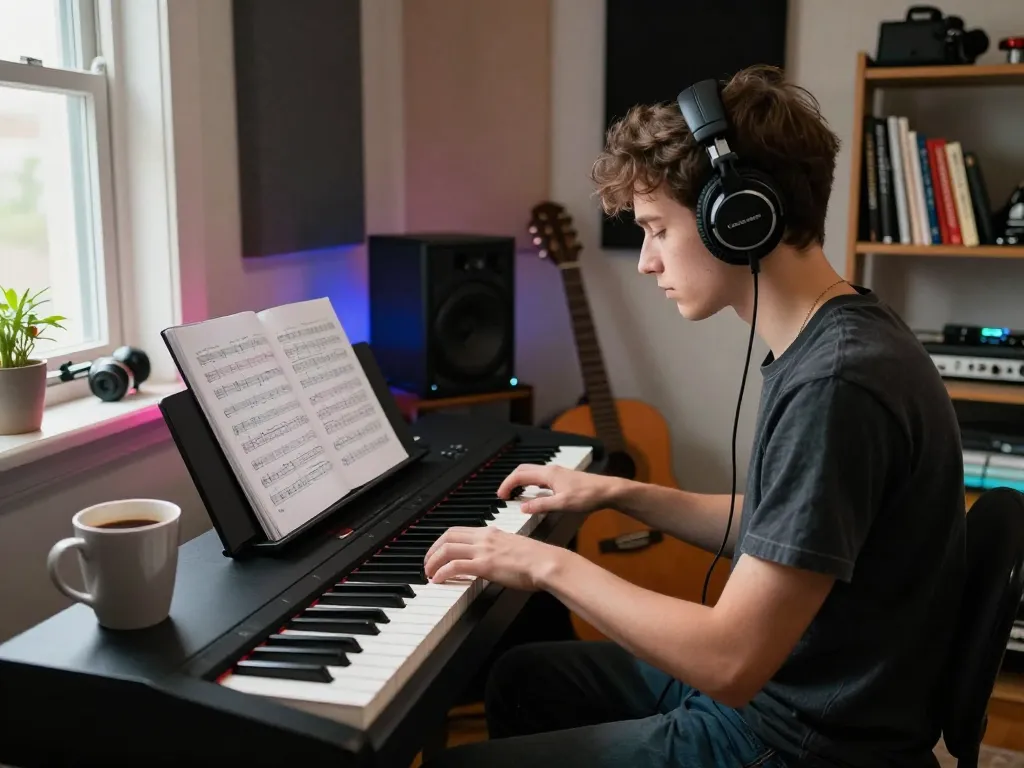
Understanding the Go 88 Digital Piano
The Go 88 digital piano stands as an impressive device for musicians of all skill levels. Combining a sleek design with advanced technology, it caters to the evolving needs of music learners and enthusiasts. As digital pianos gain popularity for their versatility and convenience, understanding the unique features of specific models, like the Go 88, is crucial for making an informed choice. go 88 equips players with a platform that not only allows for the enjoyment of music but also aids in developing proficient playing techniques.
What is the Go 88 and Its Features?
The Go 88 is a portable digital piano that features an 88-key weighted keyboard designed for an authentic playing experience. Key features of the Go 88 include:
- Full-Size Keys: The full-sized keys provide a traditional feel, making it easier for musicians transitioning from acoustic pianos.
- Integrated Learning Features: Built-in lessons and apps enhance the learning process, allowing users to learn at their own pace.
- Lightweight Design: Weighing significantly less than traditional pianos, it’s easy to move, making it a great choice for home use and travel.
- Bluetooth Connectivity: Enables wireless connection to devices for playing along with favorite music applications and online tutorials.
Comparing the Go 88 to Other Digital Pianos
When looking at the market for digital pianos, it’s important to compare the Go 88 with other models, such as the Roland FP series and Yamaha P series. Each model has its strengths:
- Sound Quality: The Go 88 delivers exceptional sound fidelity reminiscent of acoustic pianos, although models like the Yamaha P series are often favored for their rich tonal quality.
- Features for Beginners: The Go 88 shines with its integrated learning tools, making it particularly appealing for new musicians compared to its competitors.
- Portability: While many digital pianos claim portability, the Go 88’s lightweight design holds a clear advantage over heavier models.
Why Choose the Go 88 for Music Learning?
The Go 88 is often recommended for students due to its comprehensive features. It provides an accessible way to learn music fundamentals and offers tools that cater specifically to beginners. Notably, its extensive range of tones and rhythms allows for a versatile learning experience. Additionally, the digital enhancements help learners avoid common pitfalls associated with traditional piano learning.
Getting Started with Your Go 88
Once you’ve acquired your Go 88, setting it up correctly is crucial to ensure optimal use and enjoyment. Understanding the basic setups will help you get the most out of your instrument.
Setting Up Your Go 88 for Optimal Use
To get started with your Go 88, you will need to:
- Unpack and Assemble: Carefully unpack your digital piano and assemble any components, like the stand or pedal if provided.
- Plug-in: Connect to a power source and turn on the device to start exploring its features.
- Adjust Settings: Familiarize yourself with the various settings including volume, sound selection, and other customizations that enhance your playing experience.
Essential Accessories for Your Go 88 Experience
To elevate your Go 88 experience further, consider adding some essential accessories:
- Headphones: A good pair of headphones allows for private practice, which is especially valuable in shared living spaces.
- Music Stand: A sturdy music stand ensures that you can easily read sheet music while playing.
- Piano Bench: An adjustable piano bench provides comfort and proper posture during long practice sessions.
First Steps: Learning Basic Techniques on the Go 88
Once set up, begin by familiarizing yourself with the keyboard layout and basic finger placements. Start with simple exercises, such as:
- Scales: Practice major and minor scales to build finger strength and familiarity with the keyboard.
- Simple Melodies: Start playing easy songs or melodies you enjoy to build confidence.
- Chords: Learn basic chord shapes to accompany your melodies, which will enhance your playing experience.
Techniques to Enhance Your Playing
Advancing your skills on the Go 88 requires consistent practice and learning effective techniques.
Mastering Finger Placement on Go 88 Keys
Proper finger placement is vital for efficient playing. Here are some tips:
- Curved Fingers: Keep your fingers curved while playing to help with agility and speed.
- Fingertip Touch: Use the tips of your fingers to strike the keys to maintain control over your dynamics.
- Comfortable Position: Ensure your wrists are relaxed and raised slightly above the keyboard for optimal movement.
Effective Practice Routines for Go 88 Players
Establishing a routine can lead to steady improvement. A recommended practice routine could include:
- Daily Warm-ups: Spend 10-15 minutes on scales and finger exercises to build muscle memory.
- Repertoire Practice: Dedicate time to learning pieces of music, focusing on difficulty levels you are comfortable with.
- Self-Assessment: Record yourself while playing to identify areas for improvement.
Utilizing Technology: Apps and Resources for Go 88
Incorporating technology into your practice can significantly enhance the learning experience. Many applications are available to assist in music learning:
- Notation Software: Use software like MuseScore to write and transcribe music.
- Educational Apps: Apps like Simply Piano provide effective tutorials and feedback as you learn.
- YouTube Channels: Explore channels dedicated to piano tutorials for visual guidance on techniques and new songs.
Common Challenges with Digital Pianos
While digital pianos like the Go 88 provide numerous advantages, users may face common challenges.
Addressing Common Misconceptions about the Go 88
It is essential to understand and address misconceptions that often surround digital pianos:
- Sound Quality: Many believe digital pianos lack the sound authenticity of acoustic pianos, yet the Go 88 delivers rich and varied sounds.
- Learning Curve: Some think digital pianos are more complicated; however, the Go 88’s user-friendly interface simplifies the process.
Overcoming Technical Issues: Troubleshooting Your Go 88
When technical issues arise, the following troubleshooting tips may be helpful:
- Check Connections: Ensure all cables are firmly connected, especially if sounds are not working correctly.
- Reset Settings: If issues persist, resetting the Go 88 may resolve software glitches.
Performance Anxiety: Tips for Confident Playing
It’s common to feel anxious when performing, but these strategies can help:
- Practice Regularly: The more familiar you are with your pieces, the more confident you’ll feel.
- Visualization: Visualize a successful performance in a calm environment to mentally prepare yourself.
Future Trends in Music Learning with Go 88
The landscape of music learning is continually evolving, especially with digital pianos like the Go 88 leading the charge.
Emerging Technologies in Digital Pianos for 2026
As technology progresses, several trends are becoming apparent in digital piano development:
- Integration of AI: Future models may include AI-driven feedback systems to help refine a player’s skills.
- Enhanced Connectivity: Improved Bluetooth and Wi-Fi capabilities for seamless integration with smart devices and cloud services.
The Role of Online Learning in Music Education
Online platforms are becoming indispensable for learning music, offering unparalleled resources:
- Remote Lessons: Live online lessons enable students to connect with teachers globally.
- Interactive Learning: Online tools offer interactive experiences that traditional methods cannot provide.
What to Expect Next in the Digital Piano Market
Looking ahead, expect digital pianos to become even more essential in music education. Anticipated advancements may include:
- Sustainability: Increased focus on eco-friendly materials and manufacturing processes.
- Smart Features: Innovations that adapt to the player’s level, offering personalized learning pathways.
What are the best practice techniques for the Go 88?
Some effective techniques include establishing a solid routine, focusing on scales, and utilizing digital resources for guided practice.
How does the Go 88 compare to traditional pianos?
The Go 88 offers portability and additional features like built-in lessons, making it a practical alternative to traditional pianos.
Are there specific accessories needed for the Go 88?
Accessories such as headphones for private practice, a music stand, and a comfortable bench can enhance your playing experience with the Go 88.
What common issues do players face with the Go 88?
Players may encounter sound issues, connectivity problems, or discomfort during extended play, all of which can be resolved with proper practice and setup.
How can I improve my skills on the Go 88?
Improving skills involves consistent practice, utilizing technology for learning, and exploring a diverse repertoire to challenge your abilities.