
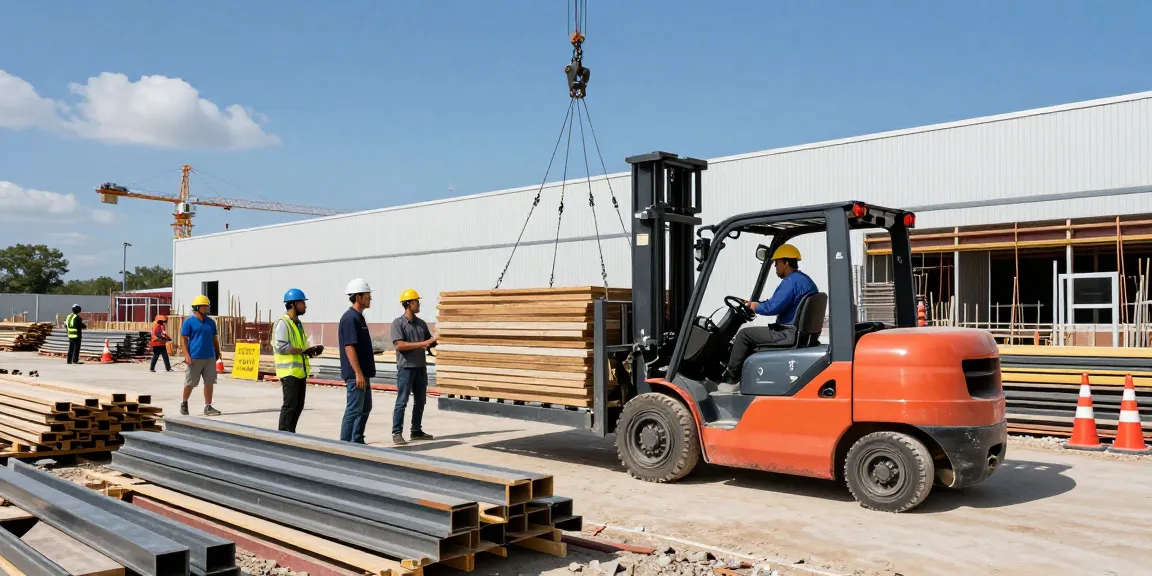
The Evolution of Forklifts: Trends Shaping 2026
As industries evolve with technology and sustainability demands, the forklift has undergone remarkable transformations. In 2026, we are witnessing a paradigm shift towards more efficient, environmentally friendly, and safety-oriented material handling solutions. This evolution not only enhances productivity but also caters to the increasingly complex requirements of modern warehouses and construction environments. As you explore various options, forklift innovations are leading the charge in meeting these new challenges.
Emergence of Electric Forklifts
The shift towards electric forklifts marks a significant trend in the industry. With their zero-emission operation, these machines are becoming the preferred choice for companies focused on sustainability and cost-efficiency. Electric forklifts boast lower operating costs, less maintenance, and quieter operation, making them ideal for indoor use. They are equipped with advanced battery technologies that improve performance and reduce downtime, making them vital assets in modern material handling solutions.
Automation and Robotics in Material Handling
As automation continues to reshape industries, forklifts are not left behind. The integration of robotics into forklift systems enhances their capabilities, allowing for automated guided vehicles (AGVs) and autonomous mobile robots (AMRs) to manage tasks that were traditionally labor-intensive. These innovations not only boost operational efficiency but ensure a safer working environment, as they reduce human error and optimize workflows.
Advanced Battery Technologies and Their Impact
Battery technologies are at the forefront of the forklift revolution. Lithium-ion batteries, for example, are becoming increasingly popular due to their efficiency and longevity. These batteries can charge faster, last longer, and provide more power than traditional lead-acid batteries. The shift towards advanced batteries allows forklifts to operate longer on a single charge, reducing downtime and increasing productivity on the floor.
Choosing the Right Forklift: Key Considerations for 2026
When selecting a forklift, understanding your operational needs is crucial. In 2026, warehouses are more dynamic than ever, and the right forklift can greatly affect efficiency and safety. Factors such as load capacity, power type, and specific operational requirements should influence your decision-making process.
Assessing Load Capacity and Operational Needs
Before purchasing or leasing a forklift, it is essential to evaluate the load capacity needed for your operations. Forklifts come in various capacities, ranging from compact models for light loads to heavy-duty machines capable of lifting several tons. Analyze your warehouse layout, frequency of heavy lifting, and typical load weights to make an informed decision.
Evaluating Safety Features in Modern Forklifts
Safety should never be an afterthought in forklift selection. Modern forklifts are equipped with advanced safety features, including stability systems, automatic braking, and operator safety technologies. Ensure that any forklift you consider meets the latest safety standards and comes with features like rear visibility cameras and collision detection systems to enhance workplace safety.
Importance of Ergonomics and Design in Forklift Selection
An often-overlooked aspect of forklift selection is ergonomics. Operators spend long hours maneuvering these machines, and a poorly designed forklift can lead to fatigue and reduced productivity. Look for forklifts with adjustable seats, intuitive controls, and visibility enhancements to ensure operator comfort and efficiency during long shifts.
Operational Efficiency: Best Practices for Forklift Usage
Efficiency in forklift operations is vital for maximizing productivity and reducing costs. Following best practices can significantly impact your business’s bottom line while ensuring safety and compliance with industry regulations.
Training Staff for Effective Forklift Operations
Effective training is paramount for ensuring that your forklift operators are skilled and knowledgeable about safe handling practices. Regular training sessions and certifications can help maintain high safety standards and operational efficiency. Implementing mentorship programs where experienced operators guide new hires can also foster a culture of safety and expertise.
Preventative Maintenance for Longevity and Performance
Maintaining your forklift fleet is essential for longevity and optimal performance. Regular inspections, scheduled maintenance, and keeping a well-maintained service log can prevent costly breakdowns and extend the lifespan of your equipment. Educate your operators on daily maintenance checks to ensure that forklifts are always in good working condition.
Integrating Technology for Enhanced Productivity
The integration of technology into forklift operations can streamline processes and enhance overall productivity. Consider utilizing fleet management software that tracks the location, usage, and maintenance needs of your forklifts. Additionally, adopting IoT-enabled devices on forklifts can provide real-time data, facilitating better decision-making and resource allocation.
Case Studies: Successful Forklift Implementation in Industries
To better understand the practical benefits of modern forklifts, let’s examine case studies showcasing their successful implementation across various industries.
Warehouse Operations: Maximizing Space and Efficiency
In a rapidly growing e-commerce warehouse, the introduction of electric forklifts allowed for increased handling capabilities and reduced energy costs. By optimizing the layout and utilizing electric forklifts, the warehouse increased its storage density by 30%, significantly improving order fulfillment speed and accuracy.
Construction Sites: Enhancing Workflow with Electric Forklifts
A construction company opting for electric forklifts reported enhanced workflow on site due to their silent operation and reduced environmental impact. The reduced emissions also contributed to improved air quality, making it a healthier work environment for operators and workers alike.
Retail Environments: Adapting to New Standards in Material Handling
In a large retail setting, the implementation of advanced forklifts with ergonomic designs and automated systems led to a 25% increase in stock replenishment efficiency. Customers experienced shorter wait times and better inventory availability, ultimately boosting sales and improving overall satisfaction.
Future Outlook: What to Expect for Forklifts and Material Handling
As we look ahead, several trends will shape the future of forklifts and material handling in 2026 and beyond. Understanding these developments will be crucial for businesses aiming to stay competitive.
Predictions for Technology Advancements by 2026
By 2026, we can anticipate further advancements in forklift technology, including AI-driven analytics, automated inventory management systems, and enhanced connectivity features. These innovations will revolutionize how warehouses and supply chains operate, reducing costs and increasing efficiency.
Impact of Sustainability Practices on Forklift Design
With increasing pressure to adopt sustainable practices, forklift designs will continue to evolve. Expect to see more emphasis on recyclable materials, energy-efficient designs, and the integration of renewable energy sources, such as solar-powered charging stations for electric forklifts.
Emerging Trends in Forklift Safety Regulations
Safety regulations in the forklift industry will continue to tighten as a response to new technologies and changing work environments. Companies must stay informed about evolving compliance standards and ensure that their equipment meets or exceeds these requirements to safeguard workers and maintain operational legitimacy.
What is the average lifespan of a forklift?
The average lifespan of a forklift depends on various factors, including usage intensity, maintenance, and the type of forklift. Generally, a well-maintained forklift can last anywhere from 10,000 to 15,000 operational hours, translating to several years of productive use.
How do electric forklifts compare to gas-powered models?
Electric forklifts offer several advantages over gas-powered models, including lower operating costs, reduced noise levels, and cleaner emissions. While gas-powered forklifts may provide more power for outdoor use, electric models are ideal for indoor applications due to their efficiency and environmental benefits.
What safety features should I look for in a forklift?
Key safety features to consider include operator presence systems, stability monitoring, seat belts, and advanced visibility aids such as rearview cameras and warning alarms. These features help mitigate risks and ensure a safer working environment.
How can I improve my warehouse’s forklift operation?
Improving forklift operations can be achieved through effective training, implementing regular maintenance schedules, and utilizing technology for better fleet management. Additionally, reorganizing warehouse layouts for optimal flow and adopting best practices can enhance overall efficiency.
What are the cost-saving benefits of electric forklifts?
Electric forklifts reduce fuel costs, require less maintenance, and have longer operational lifespans than their gas counterparts. By transitioning to electric, companies can save significant amounts on energy bills and maintenance costs, demonstrating a clear benefit to the bottom line.